Industrial automation facility

Open Process Automation

Open process automation, explained.

Open process automation replaces proprietary, single-vendor control with standards-based systems that interoperate across suppliers. Whether you engineer the system, own plant risk, deliver the project, or sign the capital request, this page starts where you are.


Proprietary Control vs. Open Automation

For decades, distributed control systems (DCS) tied operators to one vendor's hardware, software, and upgrade path. Replacing a controller often meant replacing an ecosystem - and defending that choice to a buying committee for the next decade.

Open process automation changes the model. Hardware and software from multiple vendors connect through open standards chiefly O-PAS (Open Process Automation Standard) from The Open Group. End users keep architectural choice. System integrators deliver against a shared reference. Technology providers compete on capability, not lock-in.

Proprietary DCS

Single-vendor stack, limited interoperability, opaque TCO, rip-and-replace upgrades

VS

Open / O-PAS

Multi-vendor interoperability, preserved application software, documented migration paths, committee-defensible architecture

Ready to Explore Open Automation?

Contact Us

The O-PAS Standard Behind Open Automation

O-PAS is not one more fieldbus spec. It is a reference architecture - a standard of standards that adopts existing open standards (from ISA, Fieldbus, and others) where they fit, and defines new specifications only where gaps remain. The Open Process Automation Forum at The Open Group governs the standard through a consensus process involving end users, suppliers, and integrators.

Best-in-class components

Integrate leading hardware and software without a single-vendor mandate.

Preserved application software

Lower the cost of future replacement by protecting control logic investment.

Intrinsic security

Adaptive security model designed into the architecture, aligned with IEC 62443.

Brownfield and greenfield help

Applicable to new builds and phased migration of existing plants.

Commercially available

Field-deployable systems, not laboratory concepts.

Innovation without lock-in

Insert new capabilities as technology matures, without replacing the entire stack.

Read the Open Group OPA Forum FAQ

One Shift, Four Vantage Points

The move to open automation is rarely one person's decision. The engineer who must make it work, the manager who owns operational risk, the integrator who delivers it, and the executive who funds it all evaluate the same architecture through different lenses.

Control Engineers

O-PAS gives you a certified platform, multi-vendor interoperability, and technical proof to defend the architecture internally.

Read the reference architecture

Plant Managers

Open automation supports phased migration that keeps the plant running, with lighthouse deployments and documented paths for capital review.

See deployment proof

System Integrators

O-PAS expands what certified integrators can deliver: open architecture, training, and an ecosystem built for SI-led implementation.

Find partners

Industrial Executives

This is a decade-long procurement decision. End users are driving open automation because the business case and standards context must hold five years from now.

Read why end users lead

Who Benefits

O-PAS applies to process and batch manufacturing across sectors. Industry interest in open process automation includes:

Oil & GasChemicals & PetrochemicalsPharmaceuticalsUtilities & PowerFood & BeveragePulp, Paper & MiningMetals & MiningNuclear & Advanced Controls

Greenfield

Open automation is designed for new facilities. O-PAS provides the architectural foundation from day one. O-PAS consists of multi-vendor hardware, portable software, and standards-based integration without legacy constraints.

Brownfield

Existing plants can adopt open automation incrementally. Migration paths include interfaces to legacy systems and phased cutover from prior-generation control that aligns to your schedule rather than a single shutdown event.

Advanced Applications

Safety-critical and advanced control environments (including nuclear) benefit from O-PAS certified architectures, cybersecurity-by-design, and room for ecosystem-driven innovation.

Validated in the Field

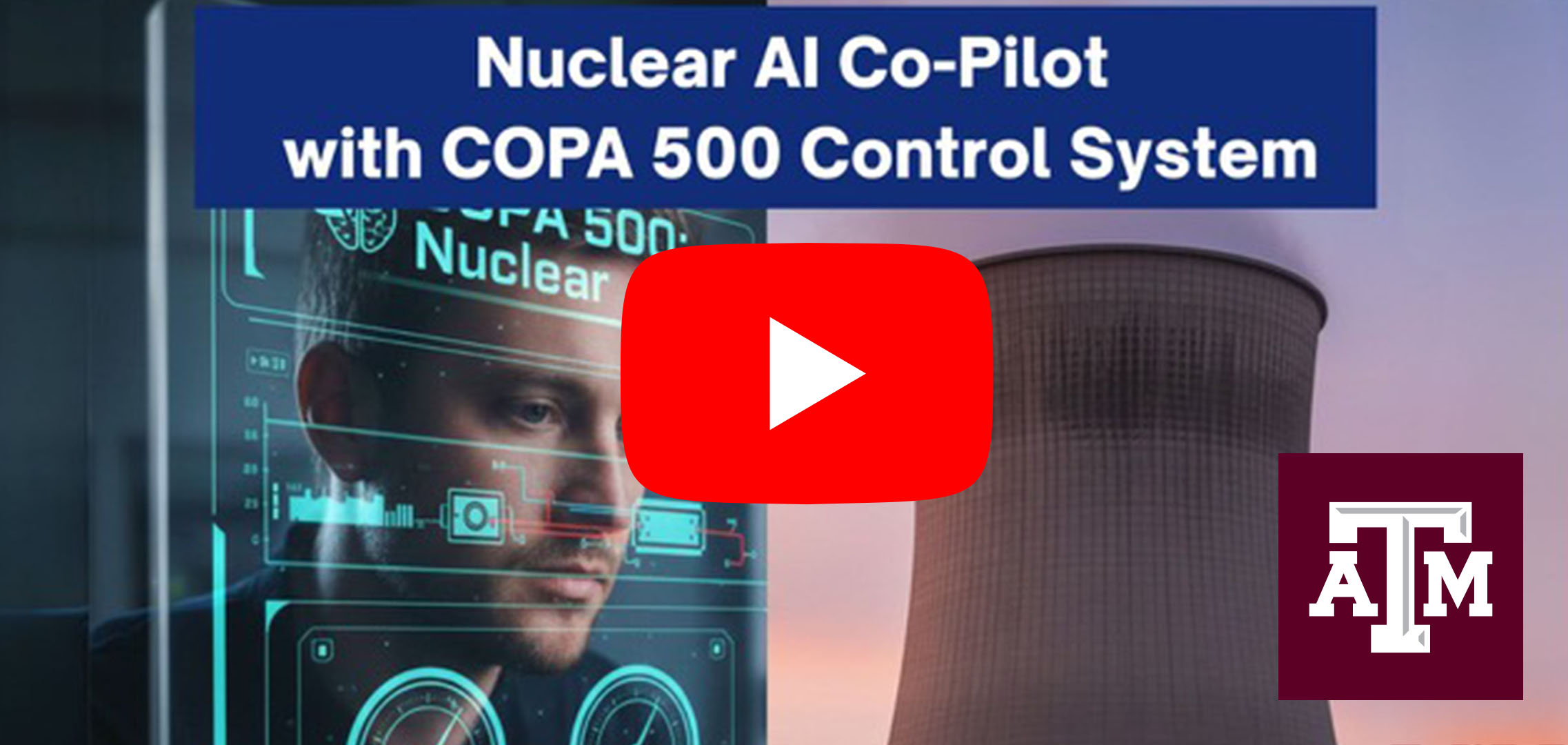
Two lighthouse projects validated O-PAS in production environments. The COPA 500 deployment at Texas A&M Nuclear Engineering demonstrated AI-assisted control without compromising safety rigor, the first O-PAS certified nuclear control deployment of its kind.

From Lighthouse to Standard PracticeTexas A&M Case Study

1st

O-PAS certified nuclear control deployment (Texas A&M)

2

Lighthouse projects validating O-PAS in production (ExxonMobil)

15+

Technology and SI partners in the COPA ecosystem

Where COPA Fits

The Coalition for Open Process Automation (COPA) brings end users, system integrators, and technology providers together around the O-PAS standard. COPA does not replace your integrator or your vendors - it provides the coalition, certification context, and ecosystem that make open automation deployable.

COPA 500: O-PAS certified control hardware for open process automation environments.

Partner directory: Certified systems integrators and technology providers.

Resources: Editorial depth on architecture, security, deployments, and buying committee reality.

Go Deeper

Frequently Asked Questions

Open process automation is an approach where control hardware, software, and networking from multiple vendors interoperate through open standards rather than a single proprietary system. O-PAS, the Open Process Automation Standard from The Open Group, defines how conformant components connect and work together so operators can choose best-fit products without vendor lock-in.

Yes. Lighthouse projects have validated O-PAS in operating facilities, including safety-critical deployments such as the COPA 500 at Texas A&M Nuclear Engineering. These are live environments, not pilots.

No. O-PAS is designed for both greenfield and brownfield facilities. Migration can proceed in phases with interfaces to legacy systems, keeping the plant running throughout the transition.

Individual standards at the field and device level do not, by themselves, deliver the portability and interoperability required at the system level. O-PAS is a reference architecture, a standard of standards, that addresses ecosystem-wide business and technical requirements.

The Open Process Automation Forum adopts existing open standards where they are fit for purpose and develops new specifications only to fill gaps. ISA, Fieldbus, and other bodies work can be incorporated as components of the framework.

O-PAS is built with security by design, aligned with IEC 62443 for industrial automation and control system security. Security is architectural, not a bolt-on project after deployment.

Not all existing equipment is O-PAS conformant out of the box. Open automation provides freedom from single-vendor lock-in going forward: as you adopt conformant components, you can mix vendors. A certified SI partner can assess what carries forward in a migration plan.

Implementation runs through certified systems integrators supported by the COPA ecosystem and O-PAS conformant products such as the COPA 500. The SI owns delivery; COPA and technology partners provide training, certification, and technical resources.

Control engineers gain certified platforms and technical proof. Plant managers gain phased migration and operational risk management. Integrators gain an expandable delivery model. Executives gain a committee-ready business case. Use the role cards above and linked resources to go deeper from your vantage point.

The Open Group Open Process Automation Forum publishes FAQ, specifications, and membership information for organizations that want to participate in standards development. COPA focuses on coalition, certification context, and deployable products for the ecosystem.

Ready to Explore Open Automation?

Contact Us